Environmental

Millennium Group Corporation (Asia) Public Company Limited and its group of companies are committed to operating a sustainable business
by integrating environmental, social, and governance (ESG) considerations into corporate strategy and organizational culture at all levels. The Company strives to create shared value for all stakeholders and to promote stable, long-term growth aligned with the United Nations Sustainable Development Goals (Supporting the Sustainable Development Goals (SDGs)). Sustainability is driven through the 3Ps strategic framework:


Occupational Safety, Health and Environment Policy

Challenges and Opportunities
MGC-ASIA Group operates in the automotive and mobility services industry, amid structural shifts in the economy, driven by climate change, growing pressure on natural resources, technological transition, and rising stakeholder expectations. These forces directly influence the Group’s business models, operating costs, competitiveness, and the long term value it delivers to society.
As a diversified group spanning automotive distribution, aftersales services, rental services, and integrated mobility solutions, the Company places strong emphasis on managing environmental and social risks and opportunities, while continuously improving operational efficiency. Key approaches include applying circular economy principles, enhancing resource efficiency, reducing environmental impacts, and strengthening stakeholder engagement across the value chain, to support sustainable long term growth.
To this end, the Company has established both short- and long-term sustainability targets, focusing on five key areas:
 Click to enlarge
 All executives, board members, and employees share responsibility for driving the Company’s sustainability initiatives toward achieving these goals.
The Company has also defined clear roles for the Board of Directors and senior management (C-Level) in supervising environmental and climate-related matters to ensure that ESG considerations are fully embedded into corporate strategy.
A Group-wide climate risk and opportunity assessment is conducted through both a bottom-up operational risk assessment and a top-down strategic evaluation by relevant committees, enabling the identification of current and emerging risks affecting business operations.
Climate Change Management



Climate change and environmental challenges have direct implications for the automotive and mobility industry sector, which is closely linked to energy consumption and significant greenhouse gas (GHG) emissions. As a leading provider of automotive distribution, aftersales services, rental services, and integrated mobility solutions, the Group is committed to operating with environmental responsibility while pursuing sustainable long-term growth.
The Company has established Group-wide policies and strategies on energy management and GHG emission reduction, covering operations across its businesses. Key focus areas include improving resource efficiency, managing waste in line with the 3Rs (Reduce, Reuse, Recycle), and deploying environmental solutions at operational sites. These initiatives support of the transition to a low carbon economy in alignment with the Sustainable Development Goals (SDGs) and relevant national and international development directions.
Target
The Group is committed to sustainable growth, with a focus on reducing greenhouse gas (GHG) emissions from its operations and activities across the value chain, while strengthening the long term competitiveness of its automotive business, aftersales services, and mobility solutions. Accordingly, the Company has established systematic framework for energy management and climate change mitigation, reflecting its commitment to ESG principles and environmentally responsible business practices.
To ensure clear direction and measurable approach, the Company has established energy management and climate change goals, including short term goals for 2026 as well as medium and long term objectives. These goals provide a framework to enhance operational efficiency, reduce environmental impacts, and support the transition to a low carbon economy.
The Company believes that collaboration across all internal and external stakeholders is a key enabler in building a low carbon future, supported by clear, measurable targets aligned with national and international development pathways.
| Target | Target Action Plan |
|---|---|
| Short-term Goals (2025) | Reduce Scope 1 and Scope 2 greenhouse gas (GHG) emissions by at least 3% compared with the 2022 base year. |
| 5-Year Goals (2026-2030) |
|
Performance

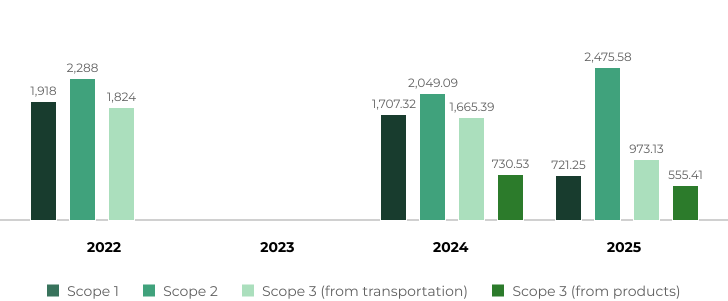
GHG Emissions 2025 (Scope 1 & 2)
Target : ≥3% reduction from 2022 baseline.
“Result: A reduction of 23.99%.”
Unit: tCO2e
| Total GHG Emissions | 2022 | 2023 | 2024 | 2025 |
|---|---|---|---|---|
| Total GHG Emissions (tCO2e) | 6,030 | N/A | 5,421.80 | 4,725.37 |
| Direct Emissions (Scope 1) | 1,918 | N/A | 1,707.32 | 721.25 |
| Indirect Emissions from Imported Energy (Scope 2) | 2,288 | N/A | 2,049.09 | 2,475.58 |
| Other Indirect GHG Emissions from Transportation (Scope 3) | 1,824 | N/A | 1,665.39 | 973.13 |
| Other Indirect GHG Emissions from Products Used by the Organization (Scope 3) | - | N/A | 730.53 | 555.41 |
Energy Management


Electricity is a critical resource for the Company’s operations across showrooms, service centers, and office facilities. Recognizing the impact of energy consumption on climate change, the Company implements energy management in accordance with its Energy Conservation Policy, alongside assessing both direct and indirect risks and impacts related to energy use. The Company also promotes active participation from employees at all levels to enhance energy efficiency and support the achievement of its sustainability targets.
Target

- In 2025, reduce electricity consumption from the organization’s operations by at least
% compared with the previous year, or 2024. - During 2026–2030, reduce electricity consumption from the organization’s operations by at least 5–10% by 2029, compared with the baseline year.

Energy Efficiency Measures
- The Company has established an energy conservation policy to guide electricity management and promote efficient energy use.
- The Company promotes stair use in place of elevators through the "Be Healthy & Save Energy" campaign.
- Implementing automatic air-conditioning on-off scheduling during 12:00–13:00 hrs. and from 17:30 hrs. onwards, adjusted to area-specific usage needs.
- Lights are turning off lights during lunch breaks, with only necessary lighting used to improve lighting energy efficiency.
- Selecting and replacing lighting equipment with energy-efficient alternatives, such as LED lighting, when existing equipment reaches the end of its service life or deteriorates.
Performance

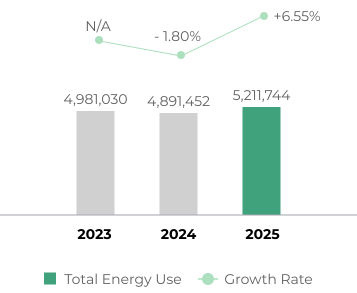
In 2025, the Company’s total electricity consumption amounted to
The increase was primarily attributable to showroom renovations undertaken to enhance facility standards and the customer service experience. Nevertheless, the Company continues to implement energy efficiency measures to support long-term sustainable growth.
| 2023 | 2024 | 2025 | |
|---|---|---|---|
| Total Energy Consumption (MWh) | 4,981,030.00 | 4,891,452.00 | 5,211,744.00 |
| Growth Rate (%) | N/A | -1.80% | +6.55% |
| Renewable Energy Consumption (MWh) | N/A | N/A | N/A |
| Growth Rate (%) | N/A | N/A | N/A |
Water Management


The Company recognizes the value of water resources and, amid climate change-related challenges including heightened risks of droughts and floods, is committed to efficient water management across all operational sites to support sustainable business operations.
Target

- Short-term Goal (2025): Reduce water consumption within the organization by at least
% compared with the previous year (2023). - 5-Year Goal (2026–2030): Reduce water consumption within the organization by 15–20% by 2029, compared with the baseline year.

Water Efficiency Measures
- Promoting efficient water use through water conservation initiatives and internal communications to raise awareness and encourage employee participation.
- Developing a plumbing and water system maintenance plan to reduce water loss and improve efficiency.
- Replacing conventional hand wash faucets with automatic faucets in suitable areas to reduce unnecessary water consumption.
Performance

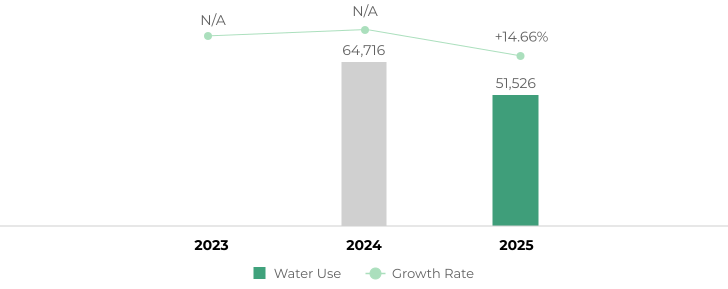
In 2025, the Company’s total water consumption amounted to
Water reduction performance in 2025 did not meet the target, primary due to increase water use associated with showroom renovation to enhance standards and customer experience. However, the Company remain committed to efficient water resource management to support long‑term sustainability growth
| 2023 | 2024 | 2025 | |
|---|---|---|---|
| Water Use (m3) | 64,716 | 55,229 | 51,526 |
| Growth Rate (%) | N/A | -14.66% | -6.70% |
Waste Management
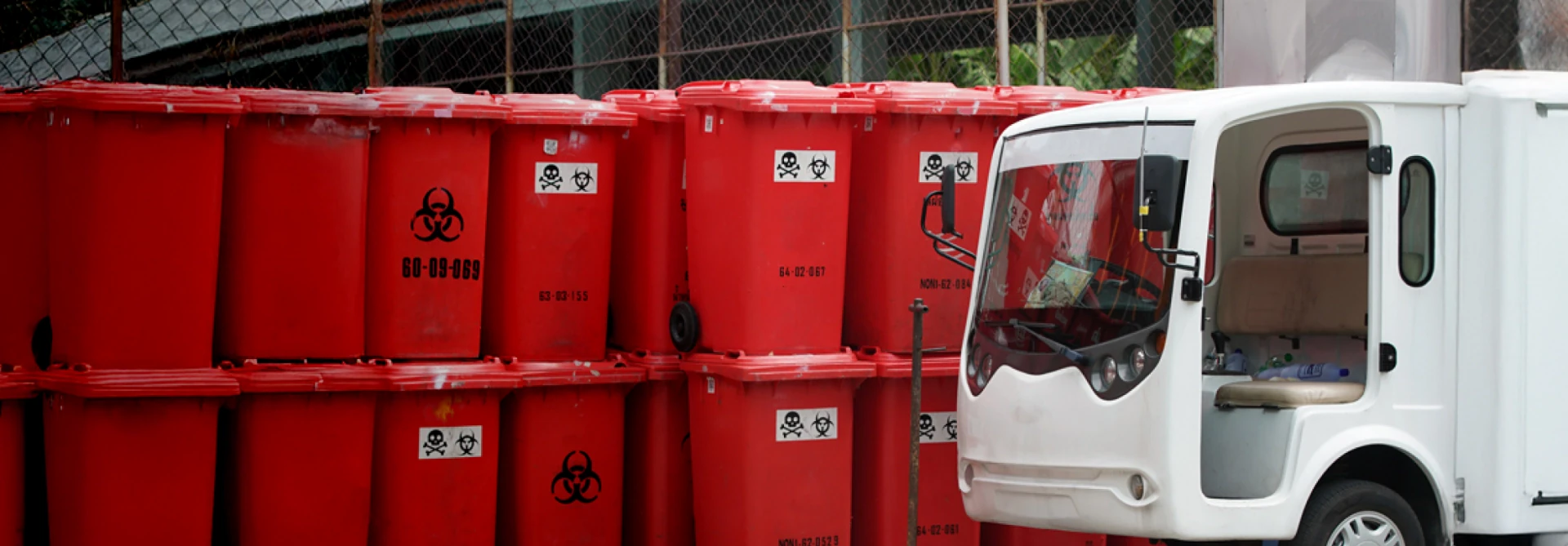

The Company places significant importance on managing waste generated from its automotive business operations, including service centers, maintenance activities, and internal corporate functions. Recognizing that improper waste management can adversely affect the environment and the health of surrounding communities, the Company implements systematic management practices for both hazardous and non-hazardous waste, including source-level waste segregation, to support its sustainability objectives.
Targets

Ensure

Reduce non-hazardous waste by
Waste Management Measures
- Properly manage waste generated from service centers—such as used engine oil, batteries, paint, and chemicals—by transferring it to licensed waste disposal contractors to ensure safe and lawful handling.
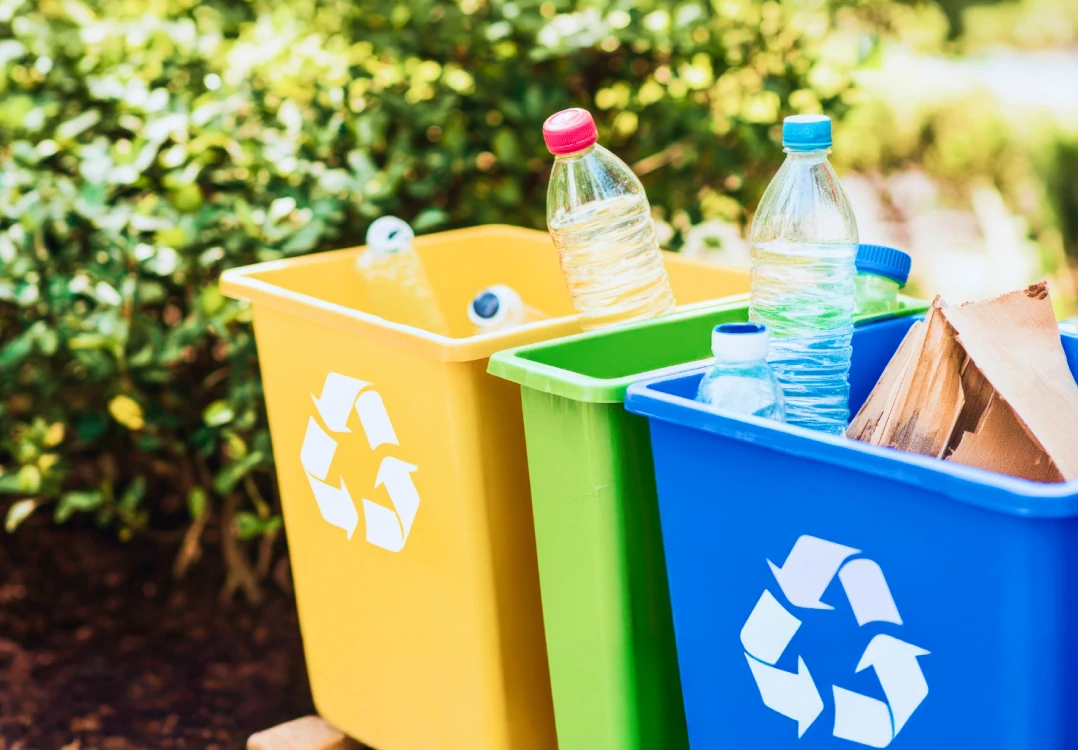
- Segregate waste and recyclable materials at source and promote appropriate reuse and recycling of packaging materials.
- Promote waste segregation and recycling through the Company’s internal campaigns and communication via noticeboards.
Performance

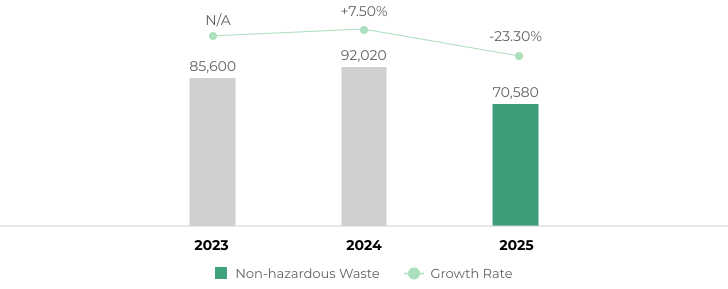
In 2025, the Company reduced non-hazardous waste to
Non‑hazardous waste decreased by 23.30% YoY; hazardous waste was managed with 100% legal compliance.
| 2023 | 2024 | 2025 | |
|---|---|---|---|
| Total Non-hazardous Waste (kg) | 85,600 | 92,020 | 70,580 |
| Growth Rate (%) | N/A | +7.50% | -23.30% |
Note: Excluding waste and residues generated from activities for which the Company is not responsible for the associated disposal costs.
Air Quality Management

The Company recognizes that various activities across its operations—including service and maintenance processes, energy consumption, waste generation, and the transportation of vehicles to customers may contribute to air pollution. Accordingly, the Company places strong emphasis on maintaining high air quality standards within its showrooms and service centers, as well as in the surrounding areas of its facilities, to safeguard the health and well-being of customers, employees, and nearby communities. The Company has therefore implemented air quality control measures and conducts regular monitoring to ensure full compliance with applicable laws and regulatory requirements, including those related to particulate emissions from vehicle maintenance activities.
Target

Conduct environmental quality assessments in accordance with the standards prescribed by the Ministry of Industry and other relevant regulatory authorities.
Performance

In 2025,
all Company facilities achieved
compliance with the required annual environmental quality assessment standards.

Note: Source of environmental, occupational health, and workplace safety analysis reports: V.C. Technology Co., Ltd.